

Email marketing has one of the highest ROIs of any digital marketing channel, but most businesses are sabotaging their own success with these avoidable mistakes.
Let me guess: you started an email list with big dreams. You imagined engaged subscribers eagerly opening your emails, clicking through to your website, and turning into loyal customers.
Instead, you're staring at open rates that make you question whether anyone actually wants to hear from you.
Here's the brutal truth: most email marketing campaigns fail not because email marketing doesn't work, but because businesses make the same predictable mistakes over and over again.
The good news? These mistakes are completely avoidable once you know what to look for.
If your email marketing feels like shouting into the void, if your unsubscribe rates are climbing faster than your open rates, or if you're wondering whether email marketing is even worth the effort anymore, this post is for you.
We're going to walk through the most common email marketing mistakes that are killing your campaigns – and more importantly, how to fix them.
Not Utilizing Your Subject Line Properly
Your subject line is the gatekeeper to your entire email. It doesn't matter how brilliant your content is if nobody opens the email to read it. Yet most businesses treat subject lines as an afterthought, slapping on generic phrases like "Newsletter #47" or "Updates from [Company Name]" and wondering why their open rates are stuck in single digits. Here's what's actually happening: Your subscribers' inboxes are war zones. They're bombarded with emails from every direction, and they make split-second decisions about what deserves their attention. Your subject line has about three seconds to prove it's worth opening. The biggest subject line mistakes:- Being vague or generic ("Monthly Update," "Important Information")
- Using ALL CAPS or excessive punctuation (screams spam)
- Making promises your email doesn't deliver on
- Forgetting that most people read emails on mobile (keep it under 50 characters)
- Using spam trigger words that send you straight to the junk folder
Your Emails Lack Personalization
"Dear Valued Customer" is not personalization. It's a lazy placeholder that tells your subscribers they're just another email address in your database. Real personalization goes way beyond inserting someone's first name in the subject line. It's about sending the right message to the right person at the right time based on what you actually know about them. Why this matters: Personalized emails deliver 6x higher transaction rates than generic broadcasts. When people feel like you're speaking directly to them – not to a faceless crowd – they pay attention. Common personalization mistakes:- Only using first names (and often getting them wrong)
- Sending the same email to your entire list regardless of where they are in your customer journey
- Ignoring the data you have about subscriber behavior and preferences
- Not segmenting your list based on interests, purchase history, or engagement levels
- Segment based on how subscribers joined your list (lead magnet, purchase, referral)
- Reference their specific interests or past interactions with your business
- Send different content to new subscribers versus long-term customers
- Use behavioral triggers (cart abandonment, browsing history, email engagement)
Not Optimizing Your Emails for Mobile Viewing
Here's a stat that should terrify you: over 60% of emails are opened on mobile devices. If your emails don't look good on a phone, you're alienating the majority of your audience before they even start reading. Yet countless businesses still design emails that only look good on desktop computers. They use tiny fonts, create complex layouts that break on small screens, and include images that take forever to load on mobile connections. Mobile optimization isn't optional anymore – it's essential. Common mobile mistakes:- Using fonts smaller than 14px (unreadable on phones)
- Creating layouts that require horizontal scrolling
- Placing important buttons too close together (fat finger syndrome)
- Using images that don't scale properly
- Writing subject lines that get cut off on mobile screens
- Single-column layouts that stack vertically
- Large, tappable buttons with plenty of white space
- Concise, scannable content that works on small screens
- Images that enhance the message but aren't required to understand it
- Testing every email on multiple devices before sending
Being Spammy or Pushing Sales Too Hard (Or Too Soon)
Nothing kills subscriber engagement faster than treating your email list like a personal ATM machine. We've all been there: you sign up for someone's email list, and immediately you're hit with a barrage of sales pitches. Every email is about buying something. There's no value, no relationship-building, just constant pushing. This approach backfires spectacularly. People don't subscribe to your email list to be sold to relentlessly. They subscribe because they want valuable information, insights, or entertainment that improves their lives or businesses. Signs you're being too salesy:- Every email includes a sales pitch
- You lead with offers instead of value
- Your unsubscribe rates spike after promotional emails
- You focus more on what you want (sales) than what subscribers need (solutions)
- You're constantly using urgent language and pressure tactics
You Don't Cater to Different Parts of Your Audience
Sending the same email to everyone on your list is like using a megaphone when you should be having individual conversations. Your email list isn't a homogeneous group of identical people. It includes new subscribers who barely know you, long-term customers who've bought multiple products, prospects at different stages of the buying process, and people with varying levels of expertise in your field. When you treat them all the same, you serve none of them well. Why segmentation matters:- New subscribers need different information than existing customers
- B2B audiences have different concerns than B2C audiences
- People in different locations might need location-specific information
- Engaged subscribers can handle more frequent emails than occasional openers
- Separate new subscribers and send them a dedicated welcome series
- Create different content tracks based on interests or industry
- Segment by engagement level (highly engaged vs. rarely opens)
- Divide by customer status (prospects vs. customers vs. past customers)
- Consider demographics like location, company size, or role
Sending Too Many (Or Too Few) Emails
Email frequency is a Goldilocks problem – too much and people unsubscribe, too little and they forget you exist. Most businesses err on one extreme or the other. Either they're afraid of annoying people and send one email per month (if that), or they bombard subscribers with daily emails that add no value. The truth is, there's no universal "perfect" frequency. It depends on your audience, your industry, and the value you provide in each email. Signs you're sending too many emails:- Rising unsubscribe rates after you increase frequency
- Declining open rates over time
- Feedback from subscribers asking you to slow down
- You're struggling to create quality content for every send
- Low engagement rates (people forget they subscribed)
- High unsubscribe rates when you do send (they don't remember you)
- Slow list growth despite good lead magnets
- Minimal business impact from email marketing
- Start with weekly emails and adjust based on engagement
- Survey your subscribers about their preferences
- Test different frequencies with different segments
- Focus on consistency – whatever schedule you choose, stick to it
- Monitor engagement metrics closely and adjust accordingly
Leaning Too Heavily on Graphics
A picture might be worth a thousand words, but in email marketing, too many pictures can kill your campaign. Image-heavy emails face multiple problems: they often end up in spam folders, they load slowly on mobile devices, and many email clients block images by default. If your entire message is contained in images, subscribers might see nothing but empty boxes. Common image mistakes:- Using images to convey critical information (like sale details or contact info)
- Creating emails that are essentially one giant image
- Not including alt text for images
- Using unnecessarily large image files that slow down loading
- Assuming all email clients will display images properly
- Use images to enhance your message, not carry it
- Include important information in text, not just images
- Always write descriptive alt text
- Test how your emails look with images disabled
- Keep file sizes small for faster loading
- Use a good balance of text and visuals
Not Tracking Your Email Campaign Performance
You can't improve what you don't measure. Yet many businesses send emails into the void without paying attention to the data that could transform their results. Email marketing platforms provide incredibly detailed analytics, but most businesses barely scratch the surface. They might glance at open rates occasionally, but they're missing the deeper insights that could dramatically improve their campaigns. Essential metrics to track:- Open rates: Are your subject lines working?
- Click-through rates: Is your content compelling people to take action?
- Unsubscribe rates: Are you providing value or annoying people?
- Conversion rates: Are emails actually driving business results?
- List growth rate: Is your email marketing attracting new subscribers?
- Revenue per email: What's the actual business impact?
- A/B test subject lines, send times, and content formats
- Track which types of content generate the most engagement
- Monitor subscriber behavior over time (are people becoming more or less engaged?)
- Identify your most valuable subscribers and understand what makes them different
- Use UTM parameters to track email traffic in Google Analytics
Your Call to Action is Weak (Or Doesn't Exist)
Every email should have a purpose. If you're not clear about what you want subscribers to do after reading your email, they won't do anything. Weak or missing calls to action are epidemic in email marketing. Businesses spend time crafting valuable content, then forget to tell people what to do next. Or they include vague CTAs that don't inspire action. Common CTA mistakes:- Not including any clear next step
- Using generic language like "Click here" or "Learn more"
- Including too many competing calls to action
- Making buttons hard to find or click on mobile
- Not creating urgency or motivation to act now
- Be specific about what happens when they click ("Download your free guide," "Schedule your consultation")
- Use action-oriented language that creates excitement
- Make buttons large and easily tappable on mobile
- Create contrast so CTAs stand out visually
- Include only one primary CTA per email
- Test different CTA text and placement
How Can You Avoid Making These Email Marketing Mistakes?
Now that you know what's sabotaging most email campaigns, let's talk about how to get it right. Avoiding these mistakes isn't just about following rules – it's about fundamentally changing how you approach email marketing.Be Intentional With Your Email Marketing Campaigns
Random, inconsistent email marketing doesn't work. Every email you send should serve a specific purpose in your overall marketing strategy. Before you write any email, ask yourself:- What specific goal does this email serve?
- How does it fit into my overall customer journey?
- What value am I providing to subscribers?
- What action do I want people to take?
- How does this email build toward my business objectives?
- Clear goals for different types of emails (welcome series, nurture campaigns, promotional emails)
- A content calendar that balances value and sales
- Defined subscriber journeys based on how people join your list
- Regular review and optimization of your campaigns
Understand What Your Audience Wants to See
The most successful email campaigns are built on deep understanding of the audience. You can't create valuable content if you don't know what your subscribers actually care about. Ways to understand your audience better:- Survey your subscribers regularly about their challenges and interests
- Pay attention to which emails generate the most engagement
- Monitor the questions people ask in replies to your emails
- Track which blog posts or resources get shared most often
- Use social media and customer interactions to identify common pain points
- What are their biggest challenges in relation to your business?
- What outcomes are they trying to achieve?
- Where are they in their customer journey?
- What other brands or content do they engage with?
- How do they prefer to consume information?
Hire a Professional Copywriter or Content Strategist
Here's the truth that most business owners don't want to hear: effective email marketing is a specialized skill that takes time to develop. You might be brilliant at running your business, but that doesn't automatically make you great at email copywriting. The nuances of subject lines, email structure, personalization, and conversion optimization require specific expertise. Signs you might benefit from professional help:- Your open rates are consistently below industry averages
- You struggle to come up with email content ideas regularly
- Your emails don't generate meaningful business results
- You spend hours writing emails that could be done more efficiently
- You're not sure how to implement advanced strategies like segmentation and automation
- Deep understanding of email best practices and platform capabilities
- Experience with what works across different industries and audiences
- Ability to create systematic, scalable email marketing processes
- Knowledge of advanced strategies like behavioral triggers and lifecycle campaigns
- Time to focus on email marketing while you focus on running your business
Your Email Marketing Success Starts With Avoiding These Mistakes
Email marketing remains one of the most powerful tools for building relationships and driving business growth. But only when it's done right. The businesses that succeed with email marketing aren't necessarily the ones with the biggest budgets or the fanciest technology. They're the ones that avoid these common mistakes and focus on providing genuine value to their subscribers. Your next steps:- Audit your current email campaigns against the mistakes we've covered
- Identify the 2-3 areas where you're most vulnerable and address those first
- Implement systems for tracking and improving your email performance
- Test one improvement at a time so you can measure what works
- Consider getting professional help if email marketing feels overwhelming
Ready to Transform Your Email Marketing (And Your Entire Content Strategy)?
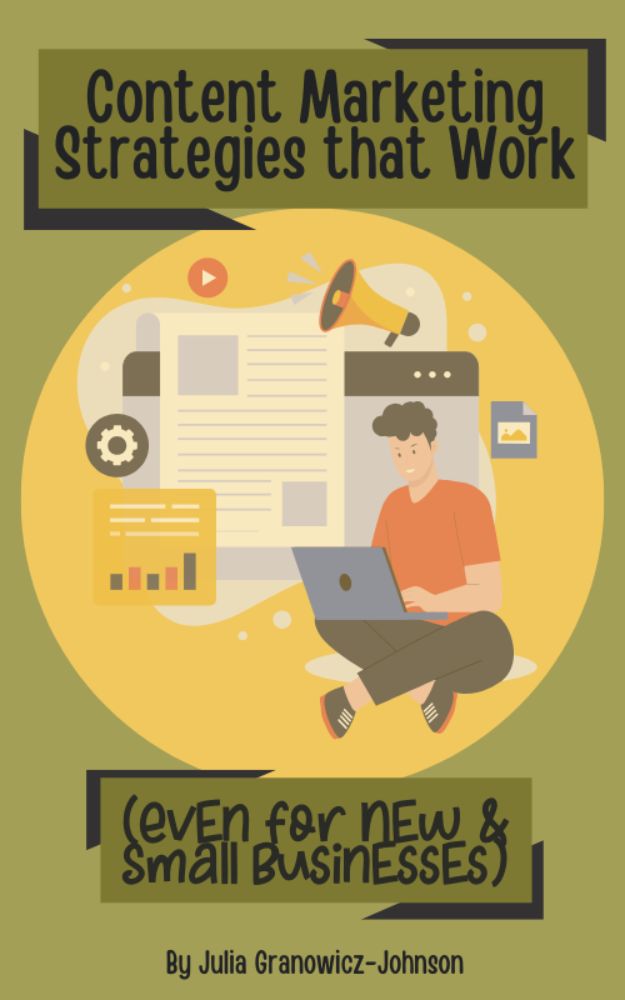
If you're tired of email campaigns that fall flat and ready to build marketing that actually works, I've got exactly what you need. Download my ebook: "Content Marketing Strategies That Work (Even for New or Small Businesses)" – where I reveal the proven framework for creating content that attracts customers, builds authority, and drives real results across all your marketing channels, including email. Inside, you'll discover:- The content strategy that turns casual readers into loyal customers
- How to identify the topics your audience actually cares about (and will engage with)
- My proven framework for creating content that ranks in search AND converts
- Real case studies of businesses that transformed their growth through strategic content marketing
- The exact systems I use to create consistent, valuable content without burning out