

Business blogging isn't just a place for fluff content and you can't stuff your posts full of keywords to rank your website anymore. So is it really necessary?
Let's be honest: you've probably asked yourself this question at least once. Maybe you're scrolling through your competitor's blog, reading generic posts about "5 Tips for Success" or industry updates that could have been written by anyone, anywhere. Maybe you're wondering if starting a business blog is just another item on your never-ending to-do list that won't actually move the needle.
Here's the truth: most business blogs do suck. They're boring, generic, keyword-stuffed afterthoughts that serve no one – not the business, not the reader, and definitely not Google's algorithm.
But that doesn't mean business blogging itself is dead. It means there's a massive opportunity for businesses that actually understand what makes a blog work in 2025.
If you're on the fence about whether your business needs a blog, the short answer is yes – but probably not for the reasons you think. And definitely not the way most businesses are doing it.
Why Most Business Blogs Fail (And Why That's Actually Good News)
Before we dive into why you need a business blog, let's acknowledge the elephant in the room: most business blogs are terrible. They're filled with recycled content that adds zero value. They're written for search engines instead of real people. They treat readers like walking wallets instead of human beings with actual problems to solve. But here's why this is actually good news for you: the bar is set incredibly low. When most of your competitors are publishing bland, forgettable content, it doesn't take much to stand out. A business blog that actually provides value, speaks to real problems, and treats readers like intelligent human beings will dominate in this landscape. The question isn't whether business blogs work – it's whether you're willing to do them right.Blogs Are Still the Original (And BEST) SEO Tool
Let's start with the obvious benefit: search engine optimization. Despite what you might have heard, blogging for business is still one of the most effective ways to improve your search rankings. But here's where most businesses get it wrong: they think SEO means cramming keywords into posts about random topics. That strategy died years ago. Modern SEO through blogging works like this: You create content that answers the actual questions your ideal customers are asking. When someone searches "how to choose the right accounting software for small business," and your blog post genuinely helps them make that decision, Google notices. When readers spend time on your page, share your content, and return to your site later, Google notices that too. The businesses winning at SEO today aren't playing keyword games – they're solving real problems. Your blog becomes a magnet for the exact people who need your products or services. Instead of interrupting people with ads, you're attracting them with valuable information. Instead of competing on price, you're competing on expertise and helpfulness. That's sustainable SEO that actually builds your business, not just your traffic numbers.Your Social Media Pages Are Hungry for This Content
Here's something most business owners don't think about: your blog is the content engine that powers everything else. Social media algorithms favor accounts that consistently share valuable, original content. But creating that much original content from scratch, every single day, is exhausting and unsustainable. Your blog solves this problem elegantly:- One comprehensive blog post becomes 5-10 social media posts
- You can share different angles, quotes, or key points across platforms
- You can repurpose sections for LinkedIn articles, Twitter threads, or Instagram carousels
- You have something valuable to link to instead of just posting random thoughts
Become THE Authority Voice in Your Industry
This is where business blogging gets really powerful: positioning yourself as the go-to expert in your field. When potential customers have questions about your industry, where do they go? Usually Google. If your blog consistently provides the best, most helpful answers to those questions, you become the obvious choice when they're ready to buy. But authority isn't just about being found – it's about being trusted. When someone reads three of your blog posts that solve their problems before they ever talk to a salesperson, they're already pre-sold on your expertise. They're not just looking for any solution; they're looking for your solution. This is especially powerful for service-based businesses. When a potential client has been reading your insights and advice for weeks or months, you're not starting from zero when they reach out. You've already demonstrated your knowledge and approach.Build Genuine Trust Between Your Business and Your Customers
Trust is the currency of modern business, and blogs are trust-building machines when done right. Every helpful blog post is a deposit in your trust account. Every time you solve a problem without asking for anything in return, you're demonstrating that you care more about your customers' success than making a quick sale. This matters more than most businesses realize. People buy from companies they trust, especially for significant purchases or ongoing services. Your blog is proof that you know what you're talking about and that you're genuinely invested in helping your customers succeed. Think about it: would you rather work with a company that publishes generic, self-promotional content, or one that consistently shares valuable insights that actually help you do your job better? The answer is obvious, and so is the choice your potential customers will make.Your Most Loyal Audience Members Become Your Best Customers
Here's where business blogging gets really interesting: the people who read your blog regularly become your highest-value customers. They're not just buyers – they're advocates. They understand your approach, appreciate your expertise, and often become your best referral sources. They're also more likely to:- Choose higher-value services or products
- Stick around longer as customers
- Recommend you to others in their network
- Provide valuable feedback and testimonials
Business Blogging Doesn't Have to Be Hard (When You Know What You're Doing)
I know what you're thinking: "This all sounds great, but I don't have time to write blog posts every week." Here's the thing: business blogging is only hard when you're doing it wrong. Most businesses struggle with blogging because they're trying to create content in a vacuum. They sit down with a blank page and try to come up with "blog-worthy" topics from thin air. The easier approach: Document what you're already doing.- What questions do customers ask you repeatedly?
- What misconceptions do you constantly have to correct?
- What processes do you walk clients through regularly?
- What industry changes are affecting your customers?
The Real Question Isn't Whether You Need a Blog
The real question is: Can your business afford to let competitors dominate the conversation in your industry? While you're debating whether blogging is worth it, your competitors are building relationships with your potential customers. They're answering questions, solving problems, and positioning themselves as the obvious choice. Every day you don't have a blog is a day you're not:- Attracting potential customers through search
- Building trust with your audience
- Demonstrating your expertise
- Creating content for social media
- Establishing authority in your industry
What Makes a Business Blog Actually Work in 2025
If you're convinced that your business needs a blog (and you should be), here's what separates the blogs that drive real results from the ones that waste everyone's time: Focus on problems, not products. Write about the challenges your customers face, not just what you sell. Be genuinely helpful. Every post should leave readers better off than when they started reading. Show your personality. Generic corporate-speak doesn't build relationships. Authentic voices do. Consistency matters more than frequency. One great post per month beats four mediocre posts per week. Think long-term. Blog posts compound over time. A helpful post you write today might be attracting customers two years from now.Your Competition Is Banking on You Not Starting
Here's what your competitors are hoping: that you'll keep overthinking this decision while they build relationships with your potential customers. They're hoping you'll focus on short-term tactics while they invest in long-term strategy. They're hoping you'll view blogging as an expense rather than an investment. Don't give them that advantage. The best time to start a business blog was five years ago. The second-best time is today. Your industry needs voices that actually care about solving problems and helping customers succeed. Your potential customers are out there right now, searching for answers that you could be providing. The question isn't whether you need a business blog. The question is: when are you going to start building the relationships and authority that will drive your business forward for years to come?Ready to Build a Business Blog That Actually Works?
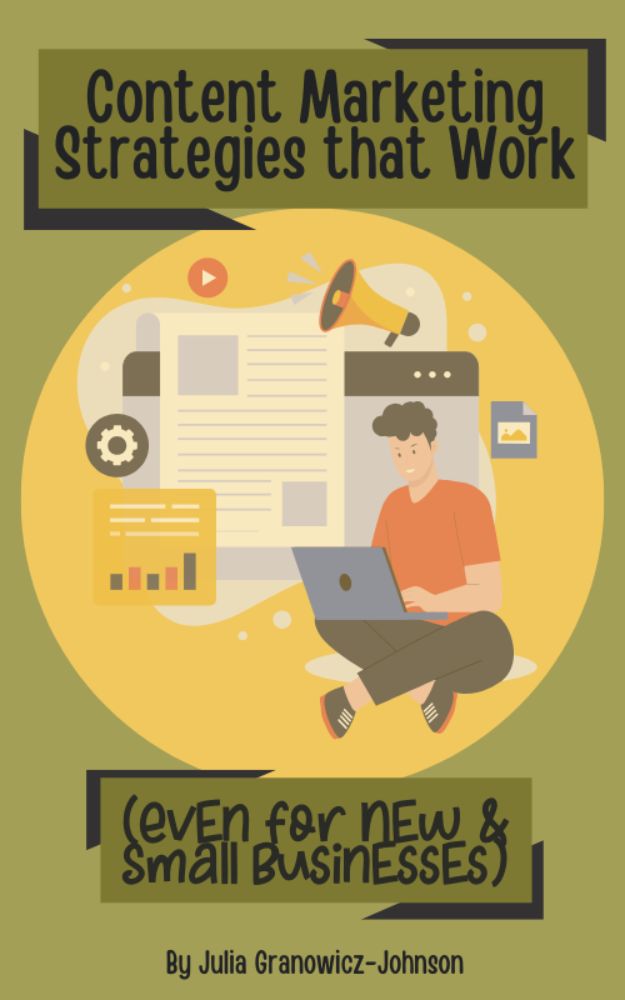
If you're ready to stop wondering about business blogging and start doing it right, I've got the roadmap you need. Download my ebook: "Content Marketing Strategies That Work (Even for New or Small Businesses)" – where I break down exactly how to create a business blog that attracts customers, builds authority, and drives real results. Inside, you'll discover:- The content strategy that turns blog readers into loyal customers
- How to identify the topics your audience actually cares about
- My proven framework for writing posts that rank AND convert
- Real case studies of businesses that transformed their growth through strategic blogging