

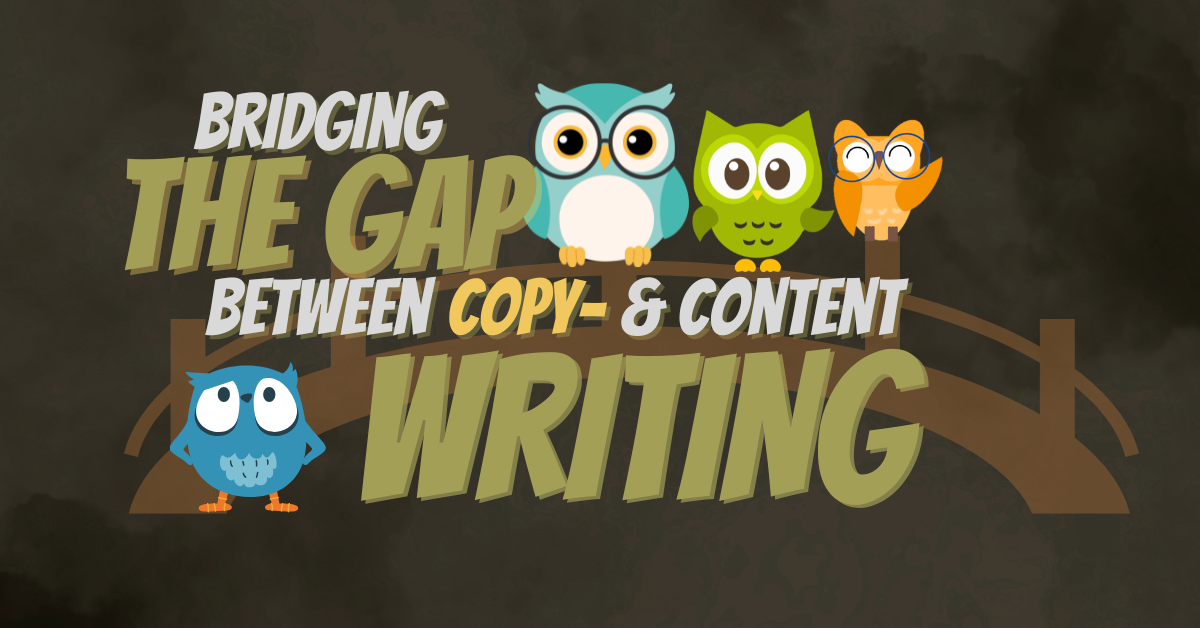
There's not as much distance between different types of writing as most might think. The best writers bridge that gap and use the most impactful tactics of creative writing, copywriting, and content writing with confidence.
If you've ever felt like you had to choose between being a "creative writer," "copywriter," or "content writer," you're not alone. The writing world loves its labels and categories, but here's the truth: the lines between these different types of writing are far blurrier than most people realize.
The most successful writers today aren't specialists who stay rigidly in their lane. They're versatile professionals who understand that creative writing, copywriting, and content writing share more DNA than anyone wants to admit – and they use that knowledge to their advantage.
Whether you're trying to figure out which type of writing suits you best, or you're already established in one area but curious about expanding your skills, understanding how these writing styles complement each other can transform your approach and results.
The False Divide: Why We Separate Writing Types in the First Place
Before we dive into bridging gaps, let's acknowledge why these categories exist. The writing industry created these distinctions for good reasons: Creative writing traditionally focuses on storytelling, character development, and artistic expression. Think novels, short stories, poetry, and screenplays. Copywriting centers on persuasion and sales. It's the art of using words to motivate specific actions – buying products, signing up for services, or engaging with brands. Content writing aims to inform, educate, and provide value. This includes blog posts, articles, guides, and educational materials that help readers solve problems or learn something new. But here's where it gets interesting: these definitions only tell part of the story.What Creative Writing, Copywriting, and Content Writing Actually Share
Storytelling Is Universal
Every piece of effective writing – regardless of its category – tells a story. Creative writers craft fictional narratives, but copywriters tell the story of transformation (your life before and after using this product). Content writers tell the story of problem-solving (here's your challenge, and here's how to overcome it). The fundamentals remain the same: compelling characters (even if that character is your reader), conflict or tension, and resolution.Emotion Drives Everything
Whether you're writing a novel, a sales page, or an educational blog post, emotion is what keeps readers engaged. Creative writers use emotion to create connection and empathy. Copywriters leverage emotion to drive decision-making. Content writers use emotion to make information memorable and actionable. The difference isn't whether emotion matters – it's which emotions you choose to evoke and why.Understanding Your Audience Is Non-Negotiable
A novelist needs to understand their target readers just as much as a copywriter needs to understand their ideal customer. Content writers succeed when they truly know their audience's pain points and interests. In every case, the writer's job is to meet readers where they are and take them somewhere else – whether that's into an imaginary world, toward a purchasing decision, or to a new level of understanding.How the Best Writers Bridge These Worlds
Creative Writing Techniques That Supercharge Copy and Content
Show, Don't Tell: Instead of saying "our software is user-friendly," show a frustrated business owner easily navigating the platform in under two minutes. Character Development: Your ideal customer isn't just a demographic – they're a fully realized person with hopes, fears, and daily challenges. The more vividly you can picture them, the more effectively you can write for them. Scene Setting: Great content writers paint pictures. Instead of listing features, they help readers visualize themselves using those features in their own lives. Dialogue and Voice: The best copywriters and content writers develop distinct voices that feel conversational and authentic, just like creative writers develop character voices.Copywriting Principles That Enhance Creative and Content Writing
Clarity Above All: Copywriters learn to eliminate every unnecessary word. This skill makes creative writing more impactful and content writing more digestible. Understanding Motivation: Copywriters become experts at understanding what drives people to action. This insight creates more compelling characters in fiction and more helpful advice in content. Testing and Iteration: Good copywriters constantly test what works. Creative writers can apply this mindset to character development and plot progression. Content writers can use it to refine their educational approach. The Power of Specificity: Instead of "many people," copywriters say "73% of small business owners." This precision makes creative writing more believable and content writing more credible.Content Writing Skills That Strengthen Everything Else
Research and Fact-Checking: Content writers excel at gathering and verifying information. This skill makes creative writing more authentic and copywriting more trustworthy. Structuring Information: Content writers master the art of organizing complex ideas logically. This translates to better plot structure in creative writing and clearer persuasive arguments in copy. SEO and Discoverability: Understanding how people search for information helps creative writers choose marketable topics and helps copywriters create content that actually gets found. Value-First Thinking: Content writers always ask, "What's in it for the reader?" This mindset improves every type of writing by keeping the focus on serving the audience.Breaking Down the Barriers: Practical Steps to Bridge Your Writing
Start With Your Foundation
Regardless of which type of writing you're most comfortable with, you already have transferable skills. Instead of thinking "I'm a creative writer who could never do copywriting," try "I'm a writer who specializes in creative work and wants to expand my toolkit."Practice Cross-Training
- If you're a creative writer: Try writing product descriptions that tell a story. Practice writing email newsletters that build anticipation like a good plot.
- If you're a copywriter: Experiment with longer-form content that educates while it persuades. Try writing case studies that read like compelling narratives.
- If you're a content writer: Add more personality and storytelling to your educational pieces. Practice writing persuasive conclusions that inspire action.
Study the Masters Who Bridge Worlds
Look for writers who successfully work across categories. Many successful novelists also write compelling non-fiction. Top copywriters often have backgrounds in journalism or creative writing. The best content creators understand persuasion and storytelling. Pay attention to how they adapt their voice and approach for different audiences while maintaining their core strengths.Develop Your Multi-Tool Approach
Instead of choosing one type of writing, develop a signature approach that borrows from all three:- Use creative writing techniques to make your copy and content more engaging
- Apply copywriting principles to make your creative work more compelling and marketable
- Leverage content writing skills to add credibility and value to everything you write
The Difference Between Copywriting and Content Writing (And Why It Matters Less Than You Think)
This is probably the most common question writers ask, and the answer reveals why bridging these worlds is so powerful. Traditional definitions say:- Copywriting is designed to sell
- Content writing is designed to inform
- The best copywriting provides genuine value and information
- The most effective content writing includes persuasive elements and clear calls to action
Your Writing Doesn't Have to Fit in a Box
Here's what the writing industry doesn't want you to know: the most in-demand writers today are the ones who can't be easily categorized. They're the ones who can write a blog post that educates and converts. Who can create email campaigns that feel like personal letters from a friend. Who can develop brand voices that feel authentic because they're rooted in genuine storytelling principles. These writers command higher rates, have more diverse opportunities, and rarely worry about finding work because they've made themselves indispensable by refusing to be limited by artificial categories.Making the Transition: From Specialist to Multi-Dimensional Writer
Start Where You Are
Don't try to master everything at once. Pick one area where you want to expand and focus on incorporating 1-2 techniques from that discipline into your current work.Embrace the Learning Curve
You might feel awkward at first when you try to add storytelling elements to your copywriting or persuasive techniques to your content. That's normal. Every skill feels unnatural before it becomes second nature.Find Your Unique Voice
The goal isn't to become a jack-of-all-trades who sounds generic across all formats. It's to develop a distinctive voice that can adapt to different purposes while maintaining your core strengths and personality.The Future Belongs to Boundary-Breaking Writers
The internet has changed how people consume content. Readers don't care whether what they're reading is technically "copywriting" or "content writing" – they care whether it's helpful, engaging, and trustworthy. The writers who understand this – who can seamlessly blend education with persuasion, information with inspiration, and facts with feelings – are the ones who'll thrive in this new landscape. Your creative writing background gives you storytelling superpowers. Your copywriting experience teaches you how to move people to action. Your content writing skills help you provide genuine value. Why limit yourself to just one when you can leverage all three? The gap between different types of writing isn't as wide as it seems. More importantly, it doesn't have to exist at all. The best writers don't just bridge that gap – they eliminate it entirely, creating something more powerful and versatile than any single category could provide. Your readers don't care about industry categories. They care about being informed, entertained, and inspired to take action. When you give them all three, you've created something truly special.Ready to Take Your Writing to the Next Level?
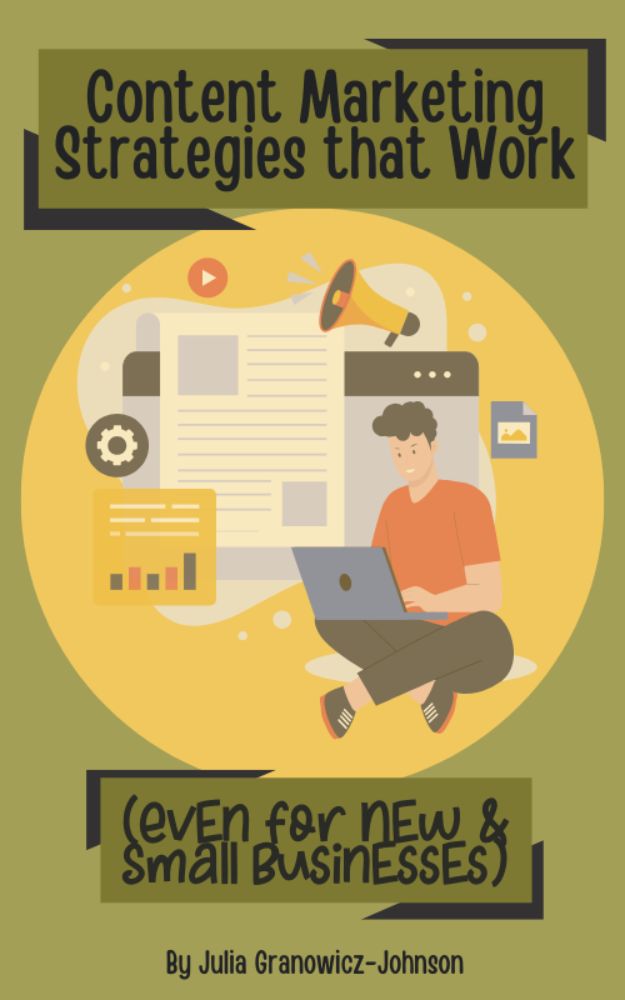
If you're excited about bridging these writing worlds and want to dive deeper into creating content that actually converts, I've got something special for you. Download my ebook: "Content Marketing Strategies That Work (Even for New or Small Businesses)" – where I share the exact strategies I use to blend creative storytelling, persuasive copywriting, and valuable content creation for maximum impact. Inside, you'll discover:- How to create content that educates AND converts
- The storytelling techniques that make boring topics irresistible
- My proven framework for writing that actually drives results
- Real examples of how boundary-breaking writing transforms businesses